Oviedo 2031 bid promotes “amabilidá” at the Oviedo CUP through a collective manifesto
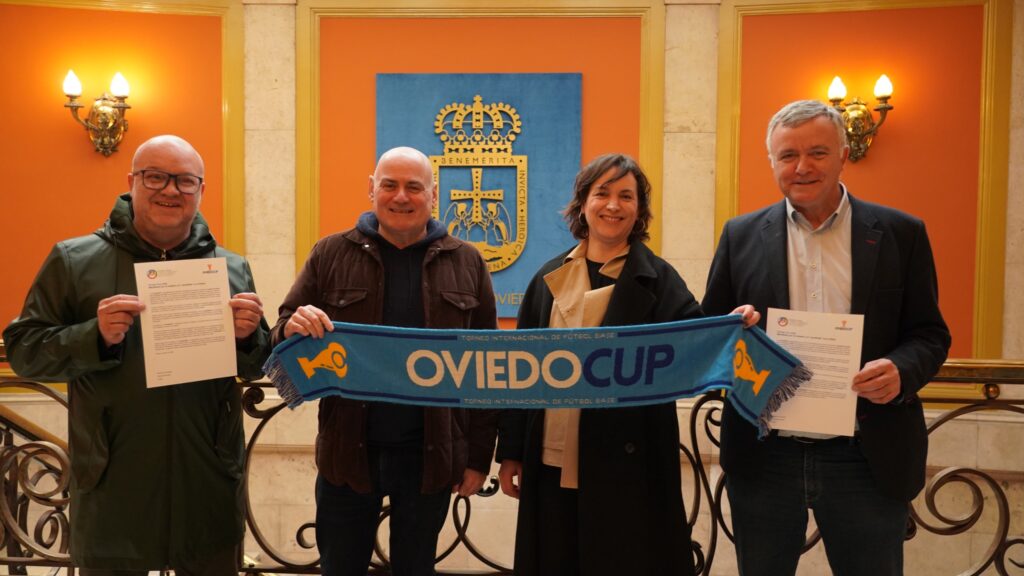
The Oviedo CUP joins the bid for Oviedo to become European Capital of Culture 2031 with an initiative that goes beyond sport and reinforces one of the project’s core values: “amabilidá” (kindness) as a collective principle. The 418 teams taking part in the tournament will sign the Manifesto for kindness and respect in grassroots football. The competition, which brings together around 9,000 young players in the city these days, becomes an ideal platform to amplify this message.
The director of the Oviedo 2031 bid, Rodolfo Sánchez, highlighted that the aim is to bring the concept of “amabilidá” to society: “We want this narrative to take root in society, and grassroots football is a unique opportunity to do so, as it is also a field where these values need to be reinforced.” He also underlined that the participation of teams from across Spain and international clubs will help expand the manifesto’s reach, encouraging people to understand, embrace and feel this message as their own.
This initiative is part of the bid’s broader strategy to engage different areas of everyday life in shaping a city model based on respect, coexistence and mutual care. Through sport, the aim is to connect with younger generations and foster a shared culture that goes beyond the strictly cultural sphere.
Several activities linked to the manifesto will take place during the tournament. On Monday, 30 March, Asturian teams will be welcomed at the Palacio de Deportes, followed by national teams on Wednesday, 1 April. During these events, players from different teams will read the text. In addition, on Sunday, 5 April, before the finals begin, the manifesto will be read live by participating children as a symbol of awareness and commitment to these values.
The Manifesto for “amabilidá” presents this concept as a response to the normalisation of hate and violence in society, in line with the values promoted by the bid. From the perspective of grassroots football, it defends respect as an essential principle of sport and seeks to extend it to all levels: among teammates, opponents, coaches, referees, families and the wider community. Beyond symbolic gestures, it calls for a daily commitment to fair play, care for people and shared spaces, and the rejection of any form of discrimination or violence.