La Federica: a project dedicated to music education and opera for emerging young talent.
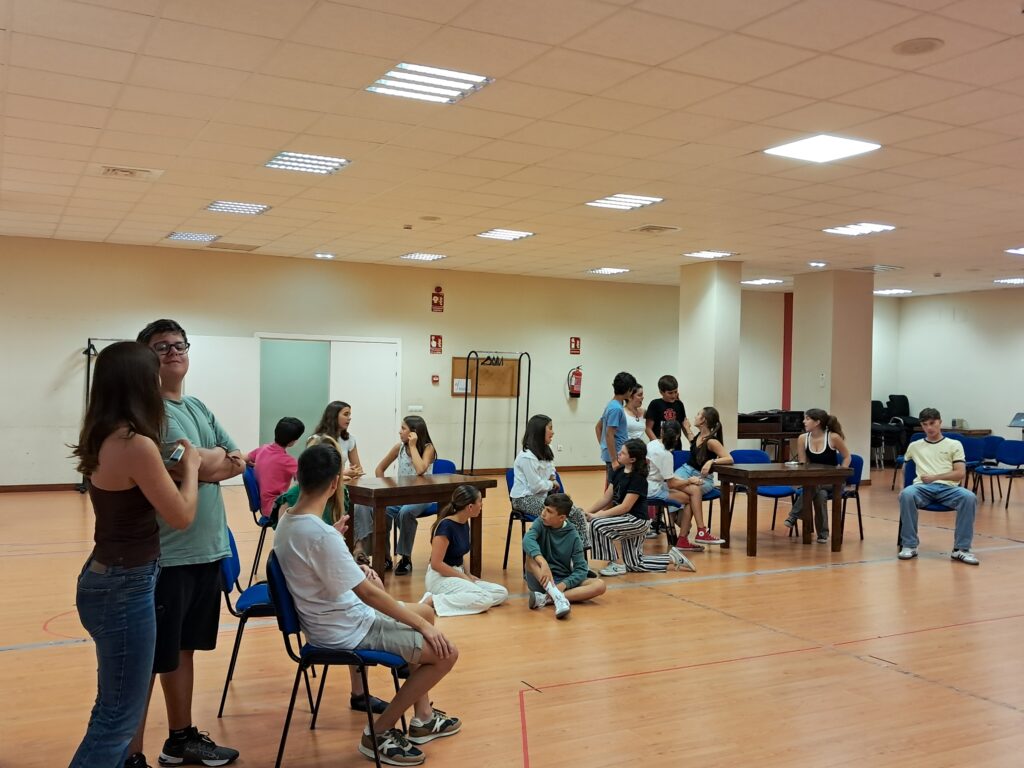
Made up of children and young people aged between 6 and 18, La Federica develops both stage and educational work in which participants not only perform on stage, but also learn about the different professions that make a production possible, from set design and costumes to technical and coordination roles. This approach offers a comprehensive introduction to opera and helps to reveal new vocations linked to the cultural sector. “When La Federica was founded, I wanted young people to understand that, in order to become artists themselves, they needed to know the professions within the artistic world,” explains Heres, adding: “They learn to work as props assistants, assistant directors, stage managers, lighting and sound technicians… some of the children also take on these roles within La Federica.”
The project, led by pedagogue and creator Maite García Heres, is based on the conviction that opera has great educational potential. In this spirit, La Federica also works on developing teaching materials and educational modules that facilitate the inclusion of performing and musical arts in schools, helping to share this knowledge among teachers and students.
Moreover, operatic creations make it possible to address universal themes and to reinterpret them in ways that bring them into the present, into the reality of children and young people, who learn to think by questioning and interpreting. La Federica is about learning by doing and participating by creating. Its new production of Carmen adapts both the libretto and the stage language to make them accessible to young audiences, offering a contemporary reading of the story that addresses themes such as freedom, equality and gender-based violence from a perspective that resonates with new generations. The initiative demonstrates that children’s and youth opera is not a minor format, but a valuable tool for cultural mediation and audience development. “These children have an extraordinary background for their age. They are passionate about music, regardless of the genre; culturally, they are as active as — or even more active than — many adults, and they are between 10 and 17 years old,” Heres affirms.
Thinking about the future of the cultural ecosystem means fostering access to culture from an early age and supporting the development of creative talent within the region. In this regard, the project stands as an example of Asturian talent and symbolizes the commitment of the Fundación Ópera de Oviedo, one of the city’s flagship institutions, with significant potential for growth in areas such as innovation, arts education and participation.