Oviedo moves on to the next phase to become European Capital of Culture 2031
Oviedo remains in the European race. The international panel of experts gathered at the Ministry of Culture of Spain announced this morning the cities that have passed the first phase of the selection process to become European Capital of Culture in 2031, and the Asturian capital is among them.
Cáceres, Granada, Las Palmas de Gran Canaria and Oviedo have been selected as finalists, as announced live by the chair of the panel of experts, Tanja Mlaker. The four cities will now have nine months to further develop and refine their bids before the international jury meets again to make the final decision, expected at the end of 2026.
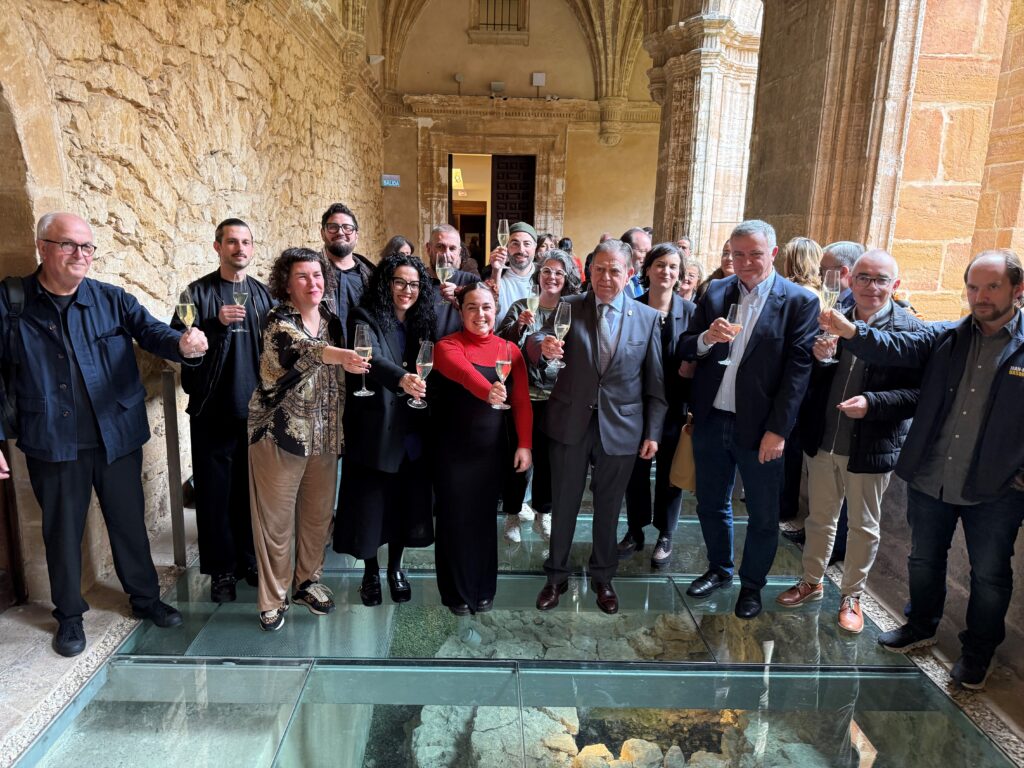
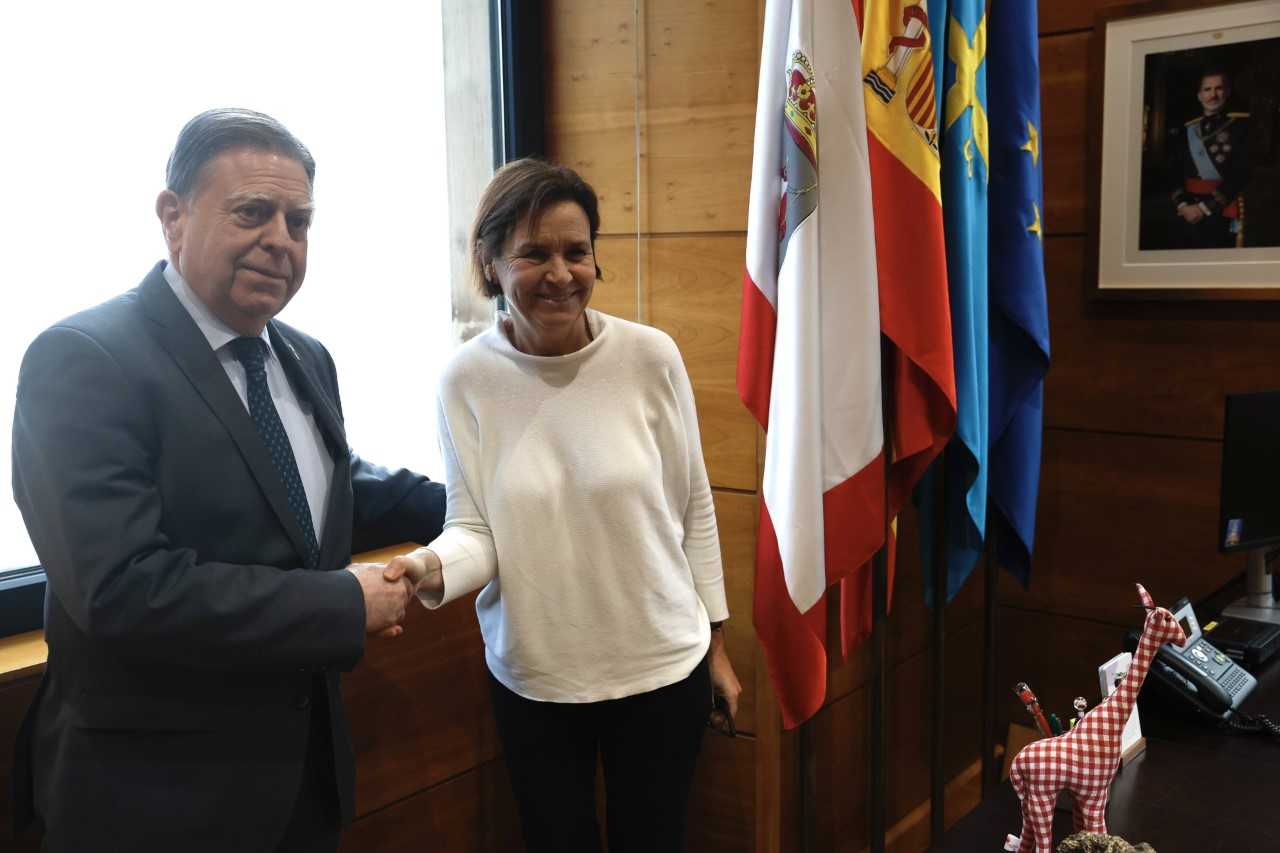
The announcement followed a press conference held at the Ministry of Culture and closely followed from different parts of the country. In Oviedo, the mayor Alfredo Canteli, the Regional Minister of Culture of Asturias Vanessa Gutiérrez and the bid director Rodolfo Sánchez, together with members of the team and collaborators involved in the project, followed the committee’s announcement from the Archaeological Museum of Asturias.
Expectations were high throughout the announcement. The committee revealed the cities in alphabetical order, which added even more tension to the wait, as Oviedo was the last name on the list. The moment was experienced with great intensity in the room and ended in a burst of applause when it was confirmed that the Asturian capital would continue in the process.
The news comes after the intense day experienced on Wednesday in Madrid, where the team defended the project before an international jury. During the session, the delegation presented the main lines of the proposal and answered the committee’s questions for an hour. The panel is made up of ten European experts responsible for evaluating the cultural, social and organisational strength of each bid.
The presentation was shaped by the central concept of “amabilidá”, proposed as a contribution from Asturias to an international context that needs more dialogue, more listening and more culture.
Passing this first phase represents an important boost for a bid that emerges from the territory and is supported by institutions, cultural organisations, professionals from the sector and citizens. The process now enters a new stage in which the finalist cities will further develop their cultural projects before the international jury makes its final decision.