Oviedo City Council approves the Cultural Strategy Plan 2025–2035 with broad support
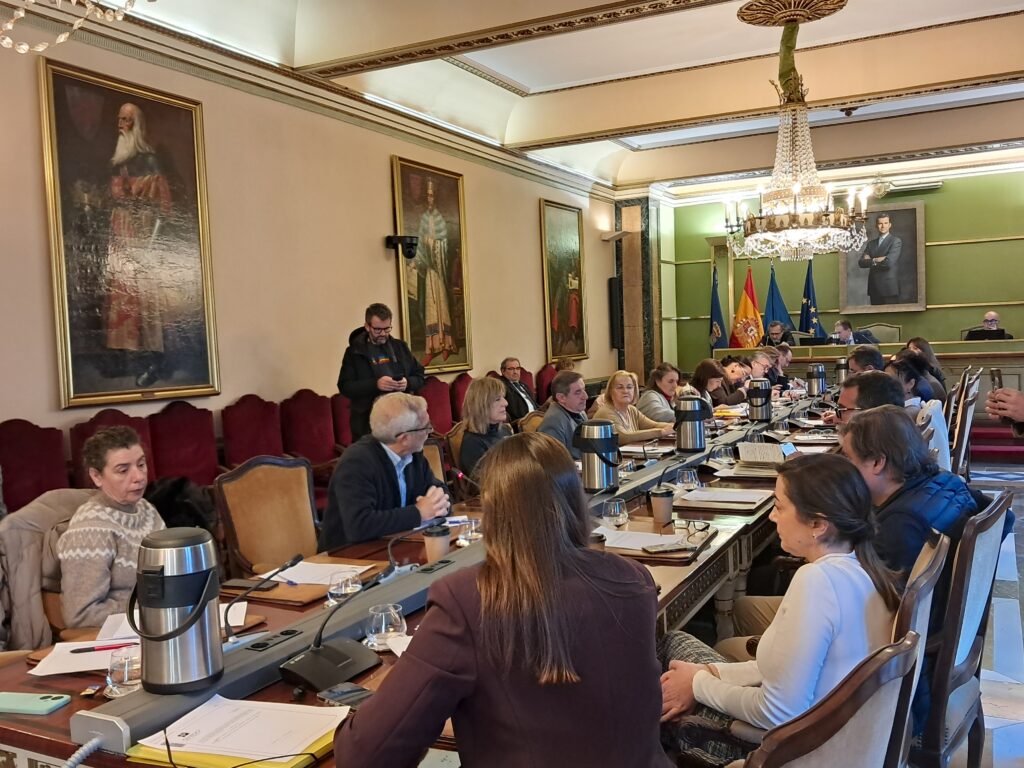
Oviedo City Council has today approved the Cultural Strategy Plan 2025–2035 (PECO 2035), with 23 votes in favour and 2 against. The plan will shape the city’s cultural policy over the next decade.
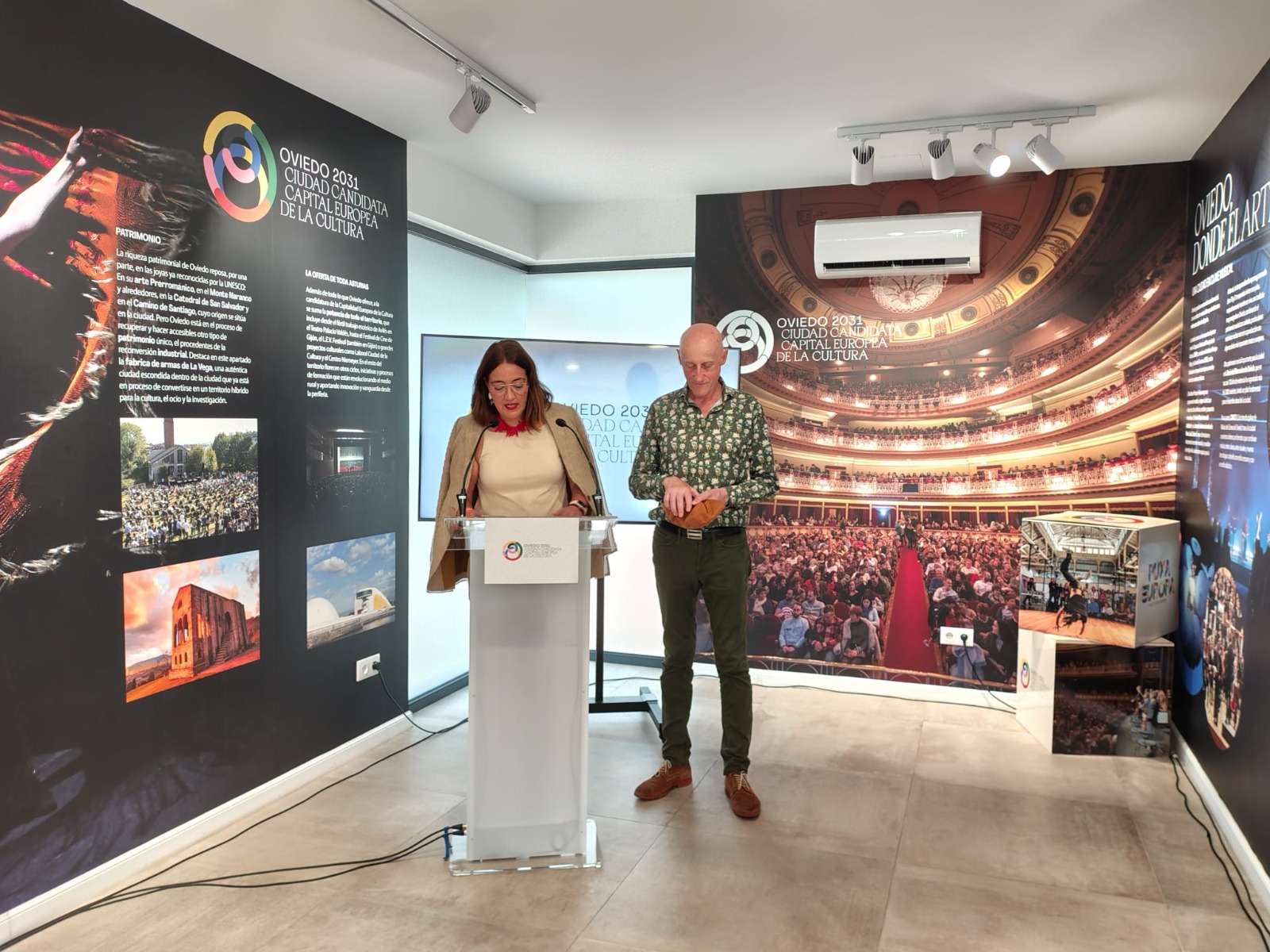
The Councillor for Culture, David Álvarez, opened the plenary debate and outlined the scope of the document. Álvarez stressed that the plan recognises culture as a fundamental right that must be guaranteed for all citizens, and highlighted its strategic nature and ten-year horizon. He also noted that PECO 2035 responds to needs identified over the past year of work linked to Oviedo’s bid to become European Capital of Culture 2031.
The Cultural Strategy Plan establishes a roadmap based on an integrated vision of culture as a tool for social cohesion, equality and sustainable urban development. Among its main objectives is the consolidation of culture as one of Oviedo’s key strategic drivers, alongside a more open and participatory model of cultural governance.
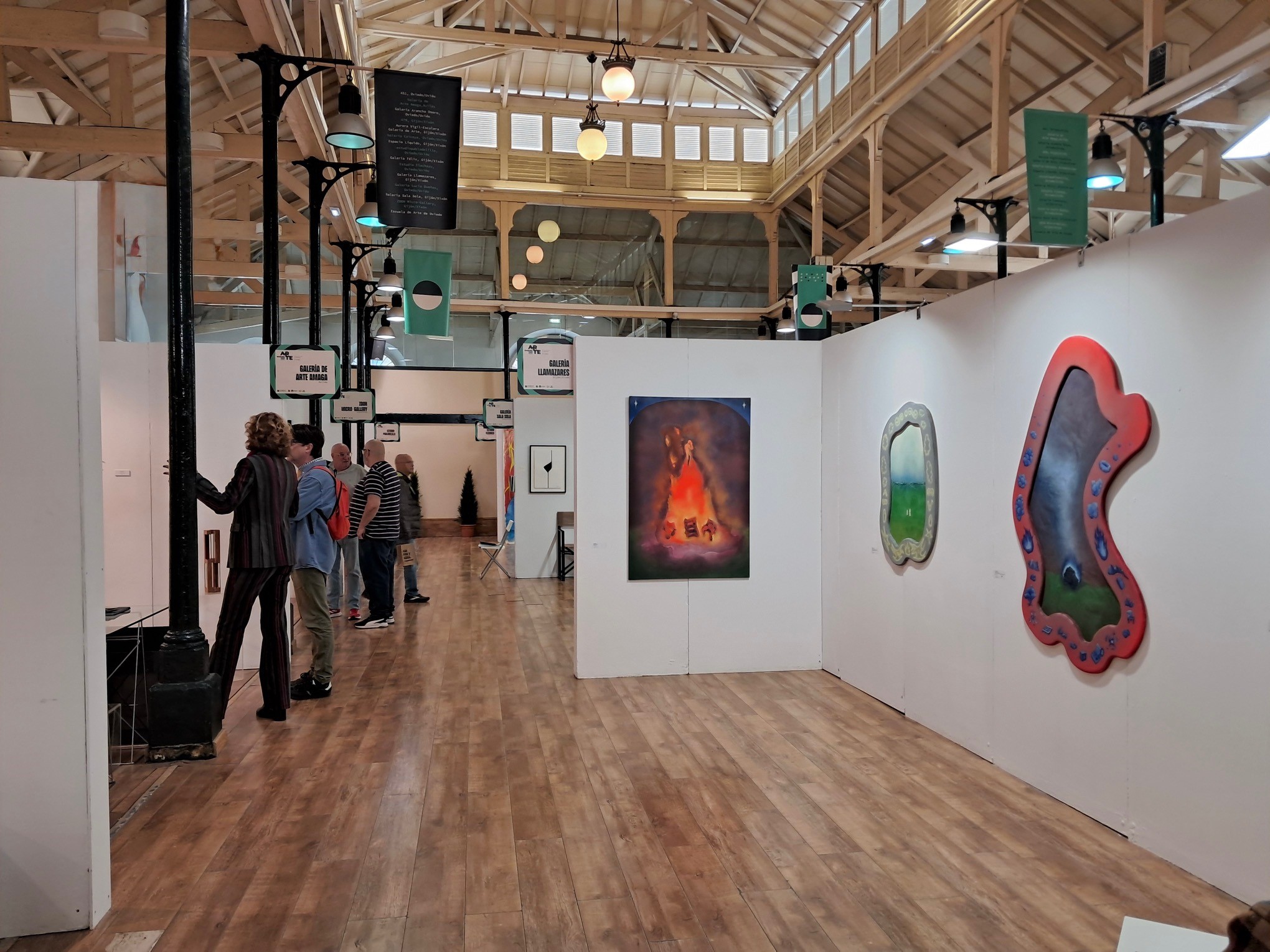
The plan also includes a strategy for cultural facilities aimed at optimising and reorganising the existing network, as well as developing new spaces for cultural creation and production. Planned projects include the future House of the Arts and interventions at the former La Vega arms factory, where a new central library, a performance venue, a film school and a contemporary creation centre with exhibition space are envisaged.
Speaking for Izquierda Unida, its spokesperson Gaspar Llamazares stated that “those who reject the plan reject Oviedo’s cultural capital bid”, arguing that placing culture at the centre of public action represents a city-wide commitment that also connects with areas such as tourism, commerce and economic development. He also called for a shared governance model that incorporates the wider Asturian context.
For the Socialist Group, spokesperson Carlos Llaneza expressed support for the plan and reaffirmed culture as a fundamental right, advocating for its democratisation and for a close relationship between culture and education. The PSOE particularly valued the attention given to industrial heritage and the European outlook of PECO 2035, and underlined the importance of developing the plan independently of the outcome of the European Capital of Culture bid.