Oviedo has taken a decisive step on its path towards becoming European Capital of Culture 2031 with the official submission of its bidbook to the Ministry of Culture and the public presentation of the candidacy to the media.
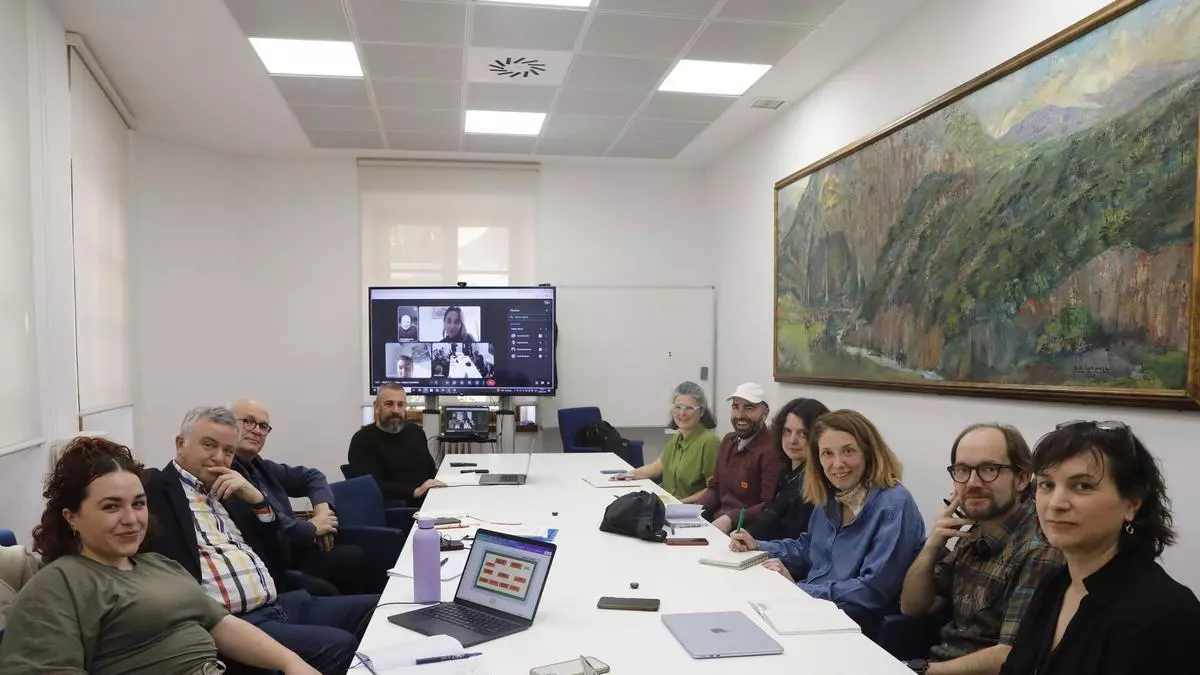
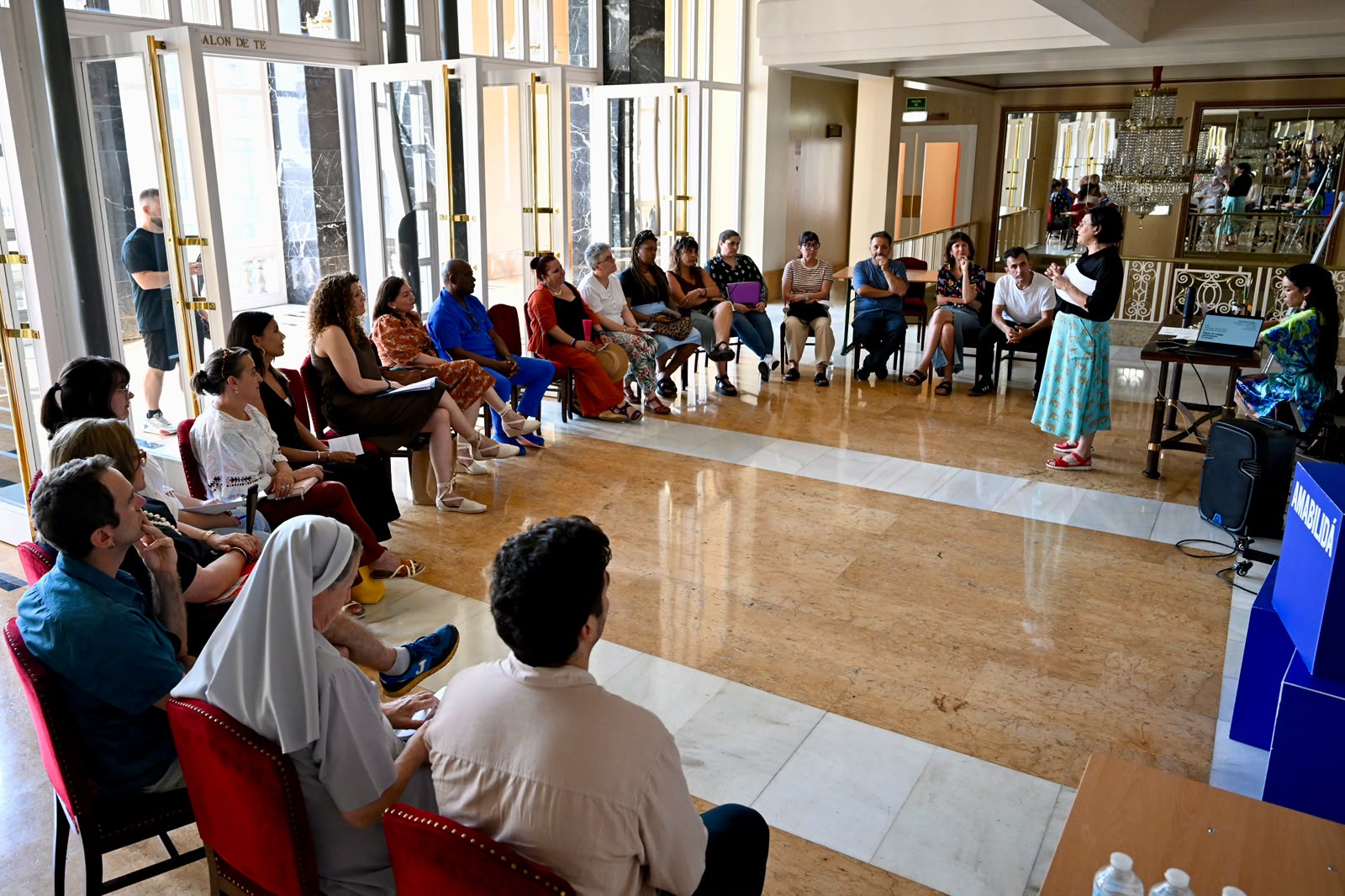
This milestone marks a key turning point in a process developed over the past year, centred on citizen participation, active listening and ongoing dialogue with the cultural and social fabric of Oviedo and the whole of Asturias.
The bid dossier sets out the cultural project with which Oviedo aims to become European Capital of Culture in 2031. It is a document shaped by months of intensive work, meetings, participatory forums and hundreds of interviews, which have helped define a proposal aligned with the characteristics, challenges and opportunities of the territory.
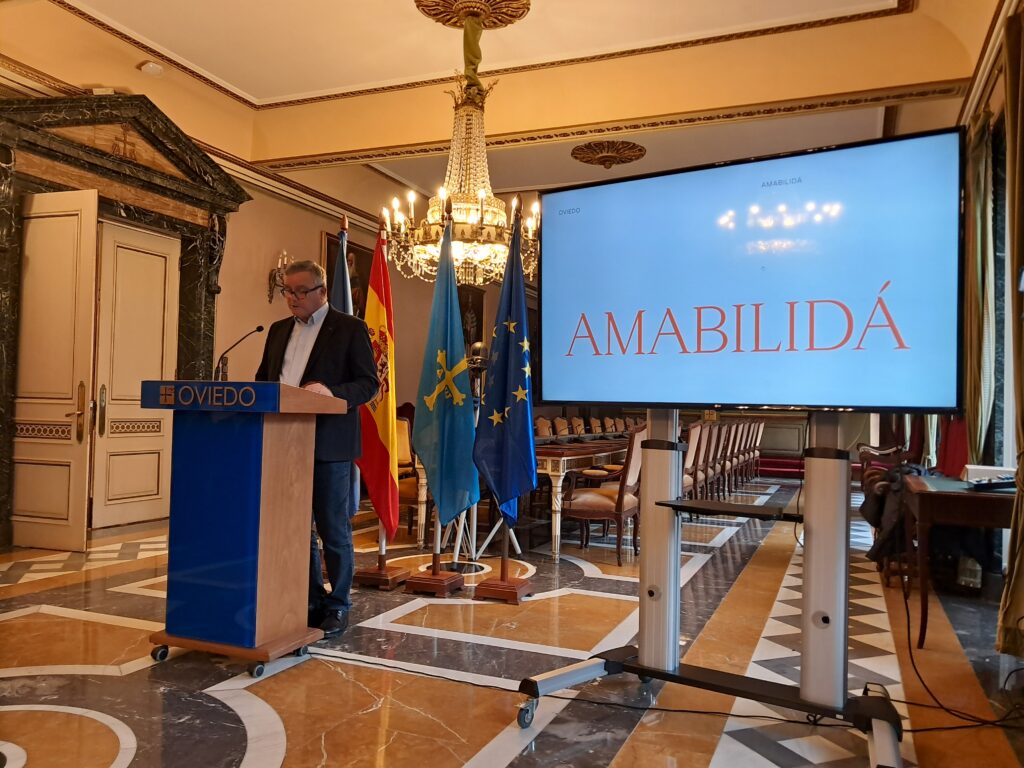
During the presentation, the Director of the candidacy, Rodolfo Sánchez, explained the conceptual evolution of the project, which began under the slogan ¡Puxa Europa! and has evolved into the concept that will guide the entire bid: Amabilidá.
This Amabilidá is conceived as a tool for cultural and social transformation, capable of bringing generations together, addressing imbalances, combating unwanted loneliness, responding to demographic challenges and offering a democratic response to polarisation, exclusion and the rise of hate speech in Europe.
The concept emerged from a shared reflection process in which external contributions played a key role. Scientist Carlos López-Otín introduced the idea of the “kind exposome”, understood as the set of social, cultural and environmental factors that promote physical and mental wellbeing, and which finds particularly favourable conditions in Asturias.
Amabilidá also takes shape in symbolic spaces such as the former La Vega Arms Factory, where the word already existed as a motto and is now reinterpreted as a declaration of intent. Transforming a site once linked to weapons production into a space for cultural coexistence and research is one of the major legacies this candidacy aspires to leave.
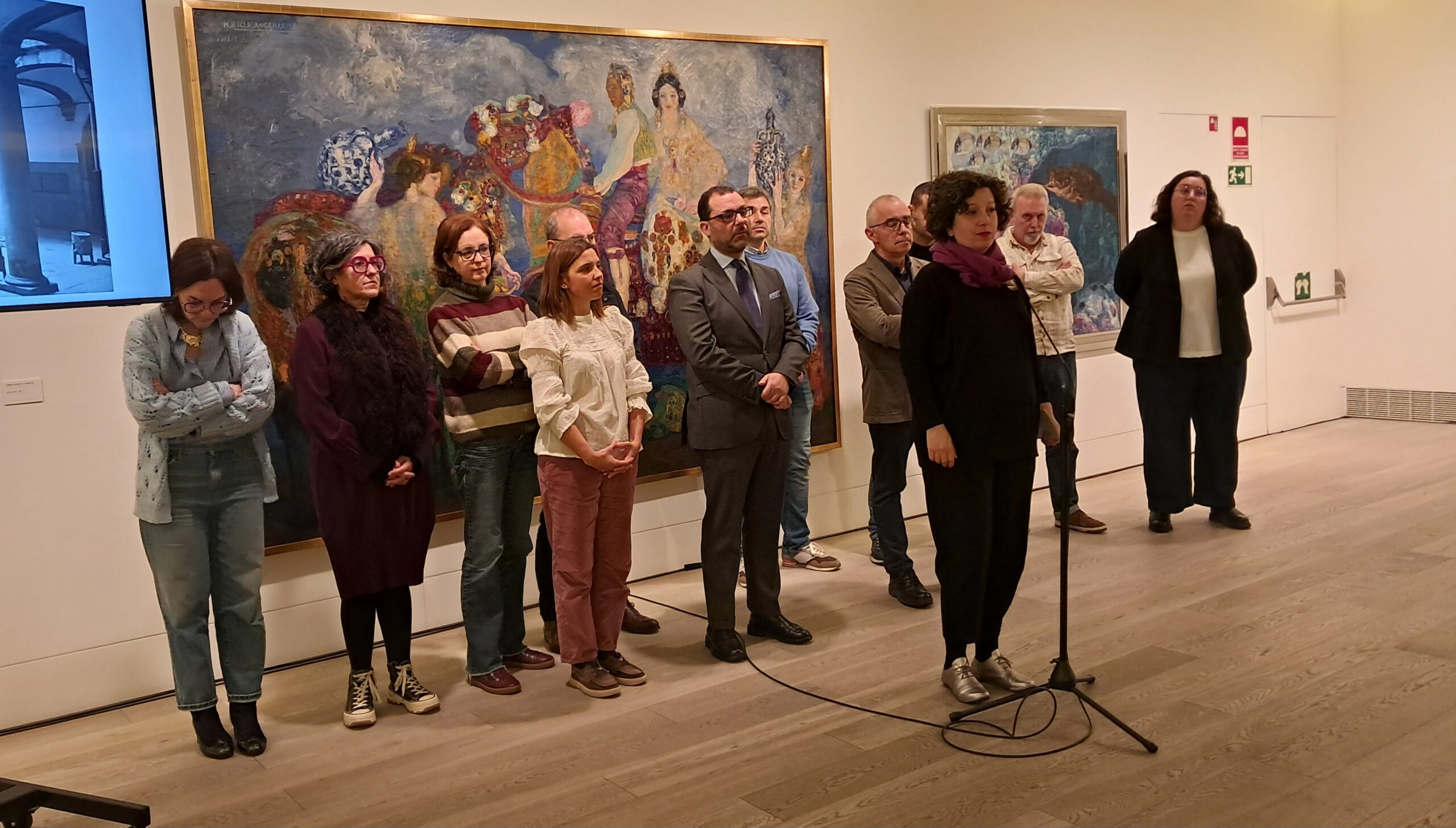
Based on this conceptual axis, the entire content of the project has been designed, including the artistic programme presented by Natalia Álvarez Simó, who highlighted culture’s ability to transform society and foster new ways of relating to people and the environment.
The programme is structured around three concepts deeply rooted in Asturian culture: Abellugu, understood as shelter and a space of hospitality; Orbayu, as a symbol of fertile time that enables encounters and cross-pollination; and Sestaferia, as an expression of community work and mutual aid.
The event also featured an intervention by the Director General for Cultural Action and Artistic Normalisation, Antón García, who reflected on the importance of collaboration between administrations and Asturian municipalities. The event was closed by the Mayor of Oviedo, Alfredo Canteli, who highlighted the work carried out by the members of the team.
Following the submission of the bidbook, the next major milestone will be the defence of the project before a panel of 12 European experts, scheduled for March 2026. This will be a decisive phase in which Oviedo will present its cultural vision for Europe during a ninety-minute session, with the final decision on the European Capital of Culture expected at the end of 2026.
Oviedo thus continues its journey towards 2031 with a proposal that places culture, care and coexistence at the heart of Europe’s future.