Forma Antiqva strengthens cultural ties between Oviedo and Valletta within the framework of the European Capital of Culture 2031
Oviedo was represented this weekend at the Valletta Baroque Festival, one of Europe’s leading early music events, through the performances of Forma Antiqva and the Zapico brothers, who gave two consecutive concerts in Valletta on 9 and 10 January. The participation of the Asturian ensemble in the festival strengthens the cultural ties between Oviedo and the Maltese capital at a key moment, with 2031 in sight, the year when Malta and Spain will share the title of European Capital of Culture.
With this shared horizon and a common commitment to culture as a driver of social transformation, international projection and cooperation between territories, the presence of Asturian artists at a top-tier European festival is a clear example of how cultural creation helps to build stable networks of collaboration between cities.
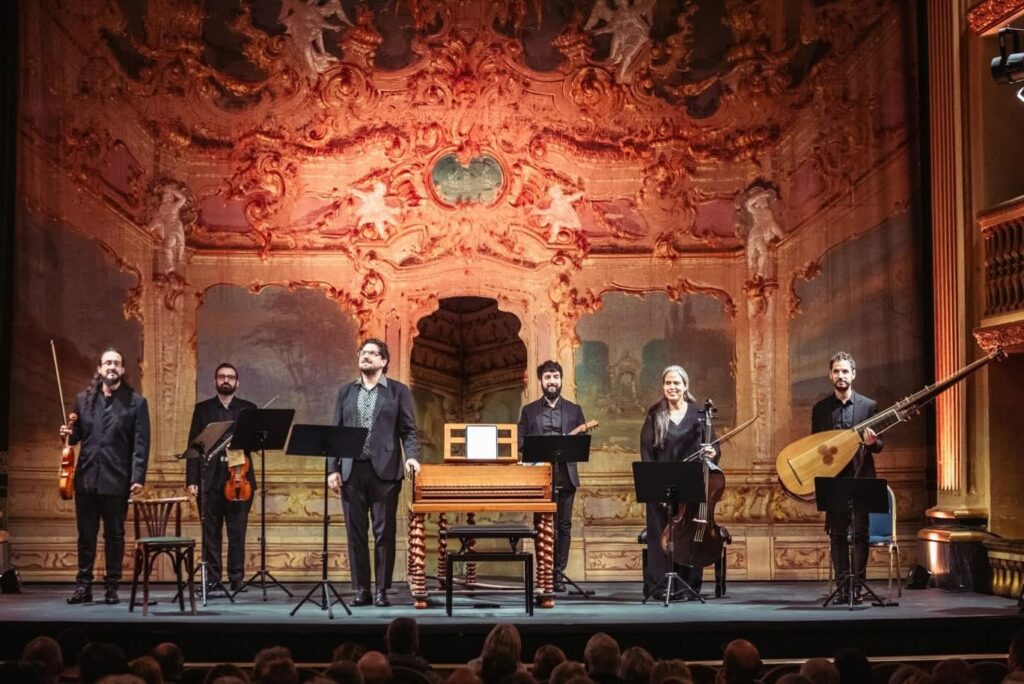
On 9 January, Forma Antiqva performed at the historic Teatru Manoel, one of the oldest working theatres in Europe, presenting the programme Wonder Women. The Rise of Spanish Tonadilleras, featuring soprano Pilar Alva-Martín. The concert highlighted the role of women in Spanish musical theatre of the 18th century, combining musicological research, narrative staging and performance with a strong contemporary identity.
The following day, Pablo and Daniel Zapico gave a duo recital centred on The Filippo Dalla Casa Collection, an outstanding 18th-century repertoire for plucked string instruments. The programme stood out both for its interpretative virtuosity and for the heritage recovery work that characterises the Zapico brothers’ career and their commitment to the dissemination of European musical heritage.
Organised by Festivals Malta, the Valletta Baroque Festival takes place every January in various heritage venues across Valletta, a city declared a UNESCO World Heritage Site, and has become one of Europe’s leading festivals for Baroque repertoire.
Forma Antiqva’s participation in this international context helps to raise the visibility of Oviedo’s and Asturias’s cultural ecosystem within prestigious European circuits, in line with the objectives of the Oviedo 2031 bid to promote artistic mobility, cultural cooperation and the exchange of good practices between cities.
From the Oviedo European Capital of Culture 2031 candidacy, initiatives of this kind are especially valued, as they strengthen the city’s presence in international cultural networks and anticipate the model of European collaboration that Oviedo aims to consolidate on the road to 2031.